Styledbytexture
Low Porosity Hair: The Complete Stylist Guide to Moisture, Care & Healthy Growth
Low porosity hair can be one of the most confusing textures to care for. Your products seem to sit on top of your strands, deep conditioning takes forever, and water beads on the surface. Many people think their hair is dry or damaged, when really, it’s simply low porosity.
This guide is written from a stylist perspective to give you complete and actionable information available online. It goes far beyond the surface level explanations by offering real techniques, routines, visuals, product categories, and science based solutions.

What Is Low Porosity Hair?
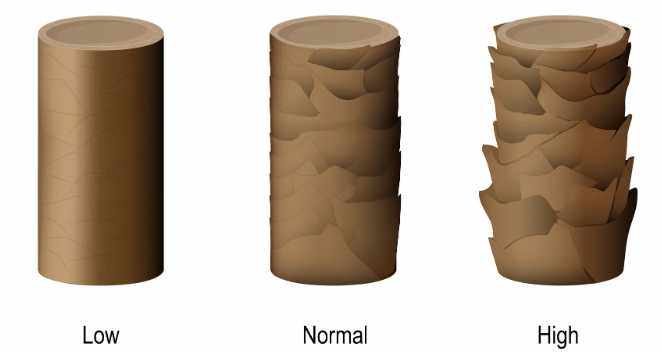
Low porosity hair has a tightly compacted cuticle layer, meaning moisture has a difficult time entering the strand. Imagine roof shingles sealed tightly together so water rolls right off instead of absorbing. Low porosity cuticles are the exact same.
How to Identify Low Porosity Hair:
Visual Indicators
-
Water droplets beading on hair
-
Product balling up on strands
-
Shiny, smooth cuticle appearance
At-Home Tests
Water Test
Place a clean strand in water.
-
If it floats for several minutes = low porosity
-
If it sinks slowly = medium
-
If it sinks quickly = high
Slip Test
Slide your fingers down a wet strand:
-
Smooth = low porosity
-
Slight friction = medium
-
Rough = high
Absorption Test
Apply leave-in to damp hair:
-
If it sits on top or takes long to absorb = low porosity
Professional Indicators
-
Hair resisting saturation under running water
-
Conditioner sitting on the surface
-
Long processing times
-
High shine even when dry
The Science Behind Low Porosity Hair
The cuticle of low porosity hair is flat, tight, and moisture-resistant. This has several implications:
-
Moisture needs help entering the strand
-
Heavy products don’t absorb
-
Proteins may cause stiffness unless hydrolyzed
-
Heat dramatically increases absorption
-
Oils rarely penetrate without warmth
- cd
- Low porosity hair often feels dry because moisture struggles to enter the strand. When water and products sit on the surface instead of absorbing, hair can feel stiff, coated, or brittle even when hydration is present. Using heat and lightweight products helps moisture move past the cuticle and into the hair shaft.
Low Porosity Across All Hair Types
Straight Low Porosity Hair
-
Appears greasy quickly
-
Needs very lightweight conditioners
-
Clarifying is essential
Wavy Low Porosity Hair
-
Waves fall flat with heavy product
-
Foams and lightweight gels work best
-
Avoid heavy oils
Curly Low Porosity Hair
-
Loves heat during deep conditioning
-
Prefers liquid-based products
-
Water-based gels > creams
Coily Low Porosity Hair
-
Needs moisture, but still lightweight formulas
-
Steam treatments give the best results
-
Stretching techniques help strengthen and hydrate

Low Porosity Hair Routines:
Wash Day Routine
1. Start with warm water to soften the cuticle
2. Clarify or gently cleanse to remove buildup
3. Condition with heat for 10–20 minutes
4. Rinse with lukewarm (not cold) water
5. Apply leave-in to damp hair (not soaking wet)
6. Finish with styling foam or water-based gel
Daily Routine
-
Mist hair lightly with warm water
-
Apply a lightweight leave-in
-
Use 1–2 drops of a thin oil (jojoba, argan) to seal
Weekly Routine
-
Deep condition with heat
-
Alternate moisture + protein
Monthly Routine
-
Use a clarifying shampoo
-
Steam treatment
-
Dust ends if needed
Ingredients That Work Best for Low Porosity Hair
-
Aloe vera: softens the cuticle
-
Honey: moisture without buildup
-
Panthenol: strengthens without heaviness
-
Hydrolyzed proteins: penetrate tight cuticles
-
Coconut water: light hydration without oils
-
Deep conditioning with no heat
-
Using heavy butters
-
Applying products to soaking wet hair
-
Overusing oils
-
Protein overload
Common Mistakes to Avoid
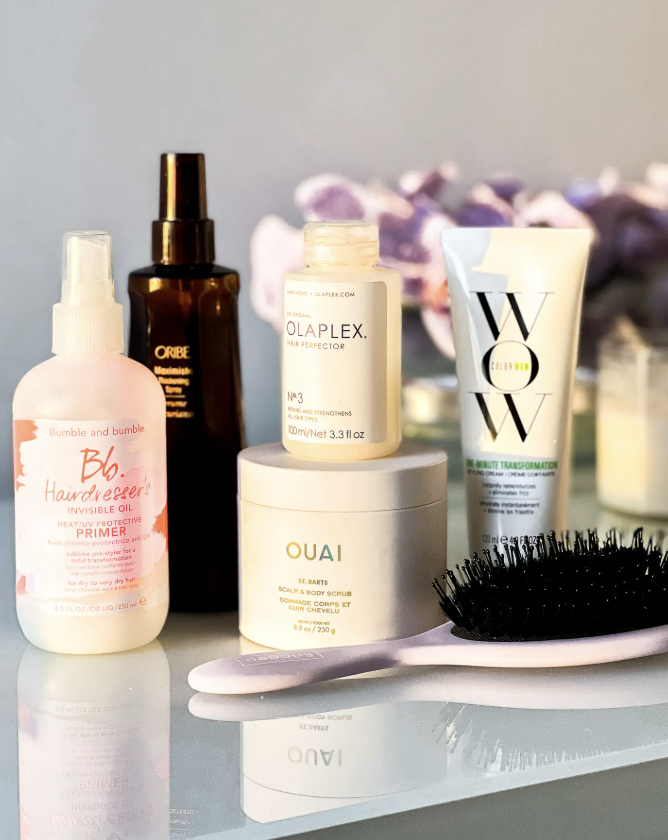
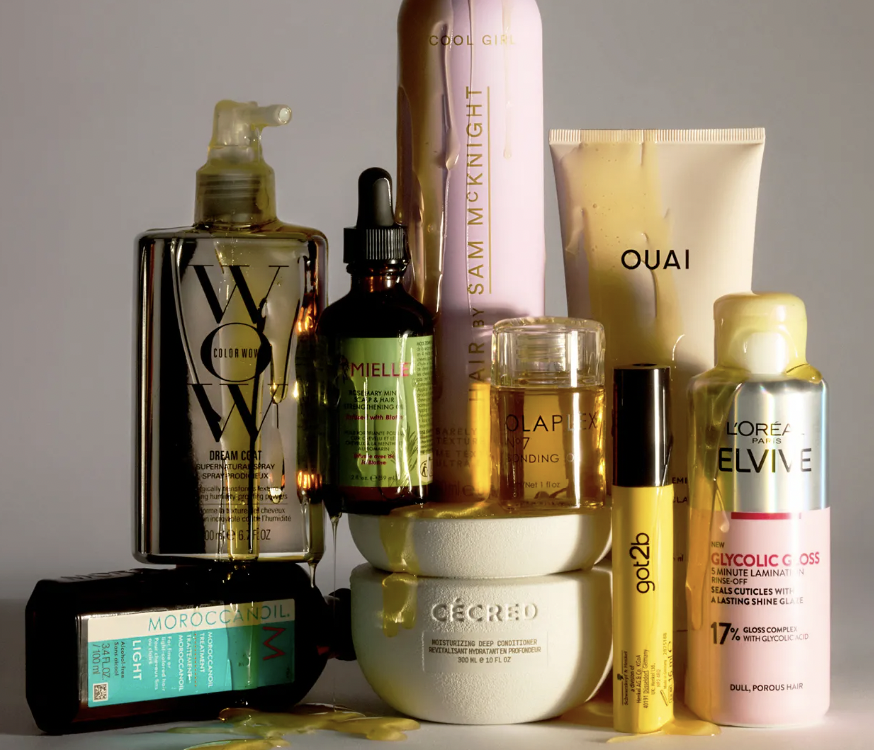
Best Products
Shampoos
-
Lightweight moisturizers
-
Clarifying shampoos (once a month)
Conditioners
-
Water-based
-
Heat-activated
Leave-Ins
-
Sprays or thin milks
Stylers
-
Foams
-
Gels with flexible hold
Oils
-
Jojoba
-
Argan
-
Grapeseed
Take the Quiz


Recent Posts
Curling Your Hair
Style Your Hair Right